News
WTI Crude Oil Tops $100, Rising Costs Reshape International Paraffin Wax Trade
The international energy market has seen sharp volatility recently. WTI crude oil futures surged more than 2% and broke above the $100 per barrel mark. Geopolitical risks, falling crude inventories and ongoing OPEC+ production cuts have lifted the global cost base of crude oil. As a by-product of crude oil refining, paraffin wax has witnessed noticeable shifts in its market quotation, export rhythm and overseas buyers’ sentiment. The international trade of paraffin wax has entered a new stage closely linked to crude oil movements.
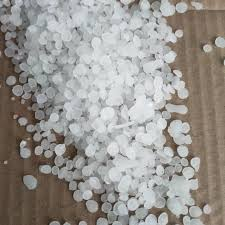
Paraffin wax is a typical petroleum derivative. The output of paraffin wax relies on lube distillate refining units, so crude oil prices directly determine the production cost of paraffin wax. In this uptrend of crude oil, both ex-factory and FOB quotations of paraffin wax have gained strong support. China is a major global exporter of paraffin wax. Paraffin wax is exported in large volumes to India, Bangladesh, Mexico, Southeast Asia, Europe and other regions for a long time. The pricing logic of foreign trade orders for paraffin wax has long been pegged to fluctuations in international crude oil prices. After this sharp rally of crude oil, overseas buyers have quickly adjusted their price expectations for paraffin wax.
Looking at the current state of international paraffin wax trade, paraffin wax exports remained robust in the early period. Downstream rigid demand from candle, rubber, packaging and food coating industries overseas stayed steady. Many overseas customers locked in paraffin wax supplies in advance to hedge against future price hikes. However, with the rapid surge of crude oil, upstream raw material costs for paraffin wax keep climbing. Domestic refineries are re-evaluating their profit from paraffin wax production. Some refineries have adjusted their production schedules, limiting incremental supply of paraffin wax in the spot market. Expectations of tighter paraffin wax supply are spreading among overseas trade circles.
Rising shipping costs and geopolitical shipping risks further add uncertainty to paraffin wax foreign trade. Higher shipping premiums around the Strait of Hormuz push up ocean freight and insurance charges, lifting the overall logistics cost for container shipments of paraffin wax. Many paraffin wax traders have added price adjustment clauses when negotiating orders with overseas clients. Short-term and split shipments account for a larger share, while negotiations on long-term bulk contracts become harder. Faced with rising paraffin wax prices, many overseas buyers shift to restocking as needed, and their willingness to stockpile large quantities of paraffin wax has weakened, with a wait-and-see sentiment prevailing.
Divergent demand also affects the rhythm of paraffin wax international trade. Candle manufacturers in Latin America and Southeast Asia maintain steady rigid demand for paraffin wax. In the Christmas stocking season, inquiries for paraffin wax from these regions remain active. In Europe, impacted by environmental regulations and competition from alternative waxes, demand elasticity for paraffin wax is low, and local clients are less receptive to paraffin wax price increases. Industries such as rubber and waterproof materials in South Asia keep consuming paraffin wax. These buyers are highly sensitive to paraffin wax prices, leading to intense price bargaining. Such differentiated demand across regions creates an uneven market for paraffin wax exports.
Traders engaged in paraffin wax foreign trade are now caught in a dilemma. On one hand, strong crude oil prices support paraffin wax quotations, and high costs leave little room for low-price offers of paraffin wax. On the other hand, overseas end-users have limited affordability, and continuous price hikes may suppress demand for paraffin wax and alienate long-term customers. At present, the core focus of games in paraffin wax international trade lies in whether crude oil gains can be sustained, whether refineries will raise operating rates for paraffin wax, and whether downstream overseas industries can pass on higher paraffin wax costs.
Market analysts point out that crude oil trends will remain the key factor dominating paraffin wax market performance. If geopolitical tensions in the Middle East escalate further and oil prices stay above $100 per barrel, paraffin wax prices will tend to rise rather than fall, and export quotations of paraffin wax will keep moving up accordingly. If the situation eases and crude oil retreats, the upward momentum accumulated for paraffin wax will fade quickly, leaving room for paraffin wax price corrections. Practitioners in paraffin wax international trade need to closely track crude oil market trends, refinery production plans for paraffin wax, overseas downstream operating rates and shipping changes. It is essential to manage paraffin wax inventory properly, adjust paraffin wax pricing strategies flexibly and serve global paraffin wax customers steadily.